New Construction vs. Older Homes: How to Calculate Energy Savings, Maintenance Costs, and Warranties
Posted: February 12, 2026
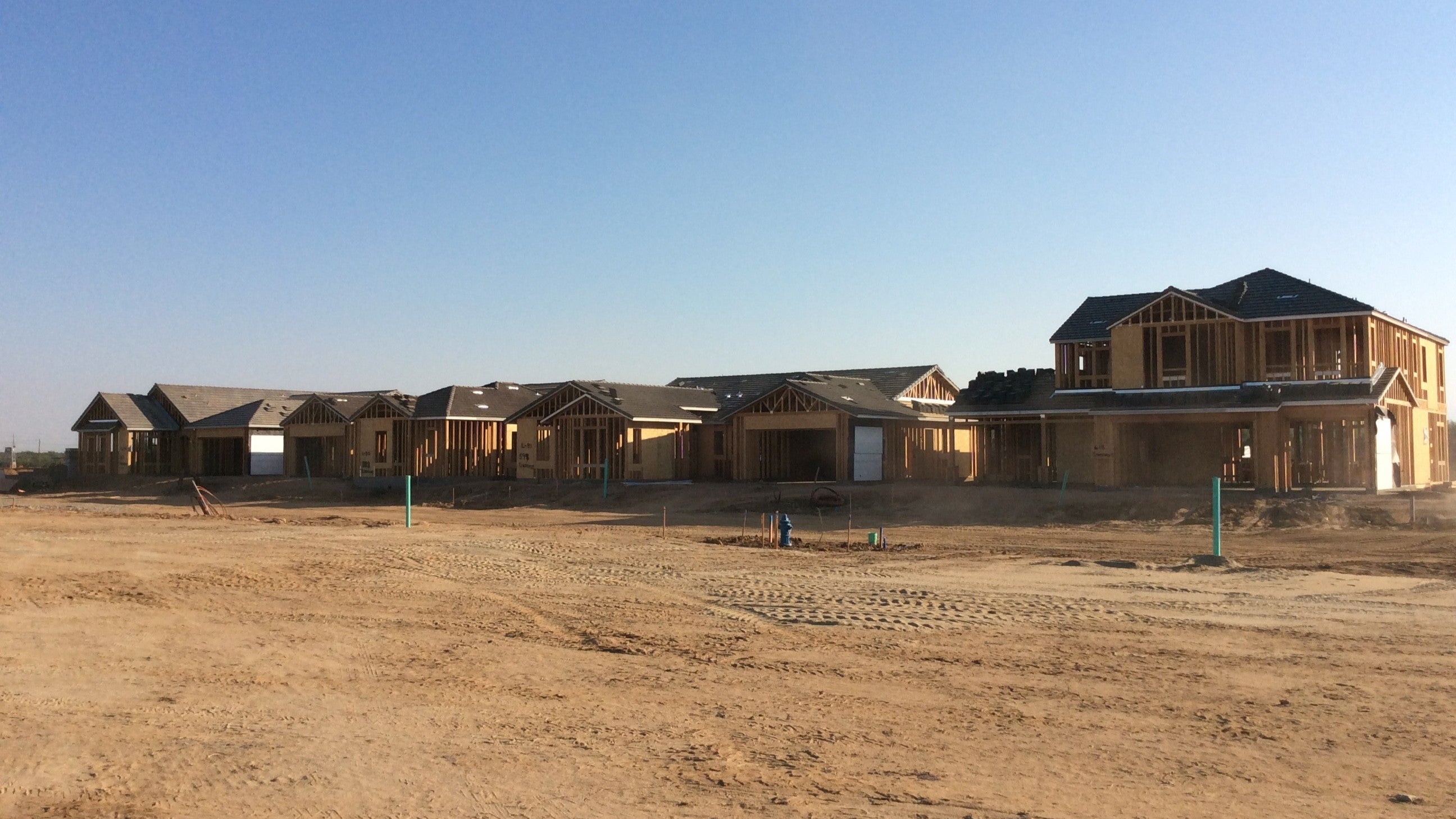
The decision to purchase a home is one of the most exciting and significant you’ll make. One question always comes up: Should you buy a new construction home or an existing home?
When comparing new construction to older homes, buyers should also consider long-term ownership costs.
While an older home may have a lower purchase price, the real decision is what the house costs you after you move in. Costly retrofits, higher energy bills, repairs, and the replacement of aging systems like HVAC, windows, or the roof can quickly outweigh the initial savings.
Here’s how to compare new vs. resale homes based on long-term ownership costs, along with the guidance first-time homebuyers need to make a confident decision.
New Construction vs. Older Homes: Which Costs Less Over Time?
When you compare new construction vs. older homes using the total cost of ownership, new homes often cost less over time. That’s because energy use, maintenance, replacement of aging materials, updating for modern preferences, and repair risks are lower and more predictable.
A simple way to think about it is this:
Total Cost of Ownership |
= |
Purchase Price + Energy + Maintenance + Repairs |
- |
Warranty Coverage |
Resale homes may look less expensive upfront, but higher monthly costs often close that gap faster than buyers expect.
Builders like McCaffrey Homes design with long-term ownership in mind, so costs don’t creep up later.
Energy Efficiency in Central Valley Heat
Energy efficiency is the biggest monthly cost difference between new homes and old homes, especially during our Central Valley summers.
Older homes often lose cooled air through outdated insulation, single-pane windows, and aging HVAC systems.
Modern homes are built with comfort, efficiency, and convenience in mind. Features like high-performance insulation, dual-pane windows, energy-efficient HVAC systems, and built-in smart features help improve performance and simplify life.
According to the U.S. Energy Information Administration, homes built in 2000 or later use only about 2% more energy than much older homes, even though they’re roughly 30% larger.
Homes built today are about 30% more energy efficient than those built just 5–7 years ago.
Here’s where older homes typically lose energy:
- Attics and wall cavities
- Older windows and doors
- Leaky ductwork and aging systems
This is why energy efficiency in new vs. pre-owned homes often translates into noticeably lower utility bills.
Maintenance Costs (Planned and Unplanned)
Maintenance costs are higher and less predictable in old build homes than in new construction. Many resale homes come with systems that are already halfway through their lifespans (or beyond).
The U.S. Census Bureau shows that 61% of owners of older homes completed maintenance or improvement projects between 2019 and 2021, with a median cost of $4,100.
And those are just the planned fixes.
Common early costs buyers underestimate in older homes include:
- HVAC replacement
- Electrical upgrades
- Plumbing repairs
- Retrofitting for today’s technology and smart features
This is where new vs. resale homes start to feel very different.
Ongoing Ownership Costs: Why Older Homes Cost More Each Year
An analysis of homes built after 2010 reveals they cost about 3% of the home’s value per year to maintain, while older homes cost closer to 5%.
That difference adds up fast, and it’s a key consideration when you’re looking at new-build homes vs. older homes.
Warranties Explained: New Homes vs. Resale Risk
New homes reduce financial risk through built-in builder warranties that resale homes don’t offer. Most new construction includes:
- 1-year workmanship coverage
- 4-year plumbing and electrical
- 10-year structural coverage
Resale homes may rely on third-party warranties, but these are often limited.
This protection is one of the clearest benefits of new homes vs. pre-owned homes in the U.S.
New Homes vs. Resale Homes Cost Comparison
A side-by-side view makes new homes vs. resale costs easier to understand, especially when you look beyond the purchase price and focus on real, ongoing expenses.
| Cost Category | New Construction | Older Resale Home (20-40+ yrs) | Why This Gap Exists |
|---|---|---|---|
| Annual Electricity (PG&E) | $1,800–$2,400 | $3,000–$4,200 | Older homes often have weaker insulation, duct leakage, and less efficient HVAC systems |
| Peak Summer Electric (Monthly) | $250–$350 | $450–$650+ | 100°F+ days amplify inefficiencies in older systems |
| Annual Maintenance & Repairs | $900–$1,200 | $1,400–$1,800 | Older fixtures and irrigation waste more water |
| Annual Maintenance & Repairs | Routine upkeep (filters, landscaping, small fixes) | $4,000–$6,000 | Aging roofs, plumbing, HVAC, and electrical systems |
| Major System Replacement Risk (up to 10 yrs) | Low (under manufacturer warranty) | High ($8k–$25k+) | HVAC, roof, electrical, or plumbing upgrades are common |
| Builder Warranty Coverage | 1–10 years included | None (home warranty optional) | New homes shift risk away from the buyer |
When buyers compare new construction and older homes, this is usually where the math shifts.
A resale home may look cheaper at closing, but higher utilities, repairs, and upgrades can erase that gap.
Why Summer Costs Matter More Than Annual Averages
Looking only at yearly averages hides the biggest budget shock for homebuyers in California: Central Valley summers.
A $150–$300 monthly difference might not feel dramatic in spring or fall. However, during long heat waves, that gap can jump to $300–$400+ per month.
Over just four summer months, that’s $1,200–$1,600 more in cooling costs alone for many older homes.
How McCaffrey Homes Helps Buyers Compare Long-Term Value
We help buyers understand how new homes compare in value vs. resale by focusing on long-term costs, not just list price.

McCaffrey Built Smart construction is our approach to designing homes that work efficiently as a complete system, including:
- High-performance insulation and tighter building envelopes that help keep indoor temperatures stable
- Improved airflow and filtration for better comfort and indoor air quality
- Water-efficient fixtures and irrigation that reduce ongoing water use
- Energy-saving lighting and appliances built for daily use
- Integrated home technology that helps manage energy and systems more efficiently
Combined with thoughtfully planned neighborhoods like the Tesoro Viejo master-planned community with trails, parks & outdoor gathering areas, Built Smart helps buyers choose a home that fits what’s next without the surprise expenses that often come with older homes.
FAQs About New Construction vs. Older Homes
Is it better to buy a newer home or an older home?
Newer homes usually cost less over time because energy use, maintenance, and repairs are lower and more predictable.
How do new homes compare in value vs. resale?
While resale homes may cost less upfront, new homes often deliver better long-term value through stable monthly expenses, modern designs, built-in smart technology, and more benefits.
Are new homes really more energy efficient than older homes?
Yes. Modern building standards significantly reduce heating and cooling costs compared to older construction.
Do new homes require maintenance at all?
Yes, but it’s usually limited to routine upkeep like air filters, landscaping, and minor adjustments, while major systems are new and typically covered by builder warranties.
Is a new home worth the higher upfront price compared to resale?
Often, yes, because lower utility bills, fewer repairs, and warranty coverage can offset the higher purchase price and reduce financial stress over time.

Need to Move Fast? How McCaffrey's Quick Move-In Homes Shorten the Buying Process
If you need to move soon, a McCaffrey quick move-in or move-in ready home can help you get into a brand-new home without waiting through the full cons...

The Story of 50 Years, Built Together
A look back at the people, places, and milestones that shaped McCaffrey Homes For 50 years, McCaffrey Homes has helped shape the Central Valley thr...

Madera County, Fresno & Clovis Recognize McCaffrey Homes’ 50th Anniversary
For 50 years, McCaffrey Homes has had the privilege of helping families put down roots, build memories and create a place to call home throughout the ...


5.25% Fixed Interest Rate
6.081% APR
A 30-Year Fixed-Rate FHA Loan is now available on select Poppy move-in-ready homes.